
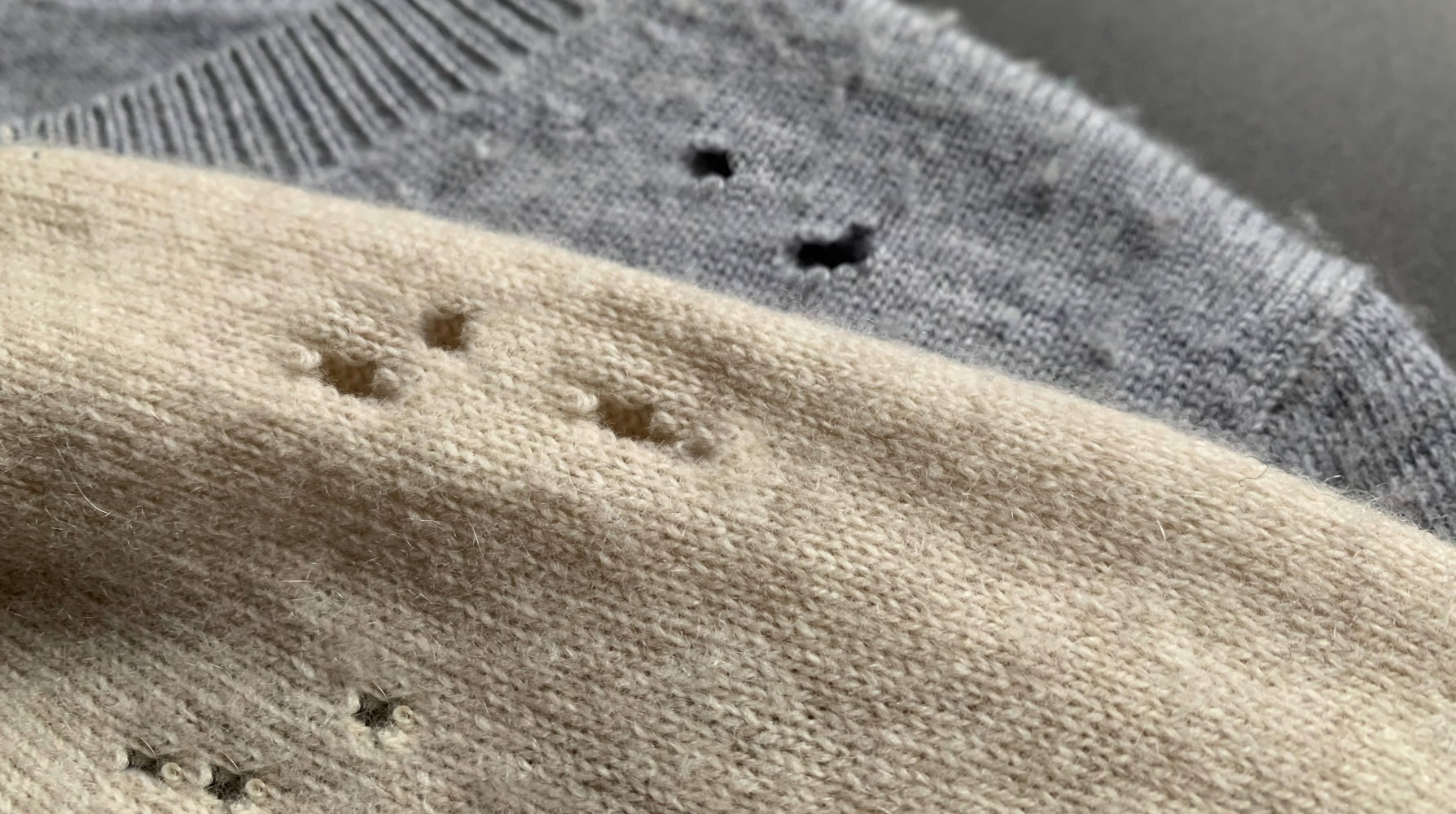
Few things are more frustrating than pulling your favorite sweater or winter coat out of storage only to discover holes and fabric damage. While many homeowners immediately blame moths, carpet beetles are often just as responsible for damaging clothing, rugs, and other household fabrics.
Understanding what attracts these pests and how to prevent infestations can help protect your wardrobe and valuable textiles from costly damage.
Why Do Moths and Carpet Beetles Damage Clothing?
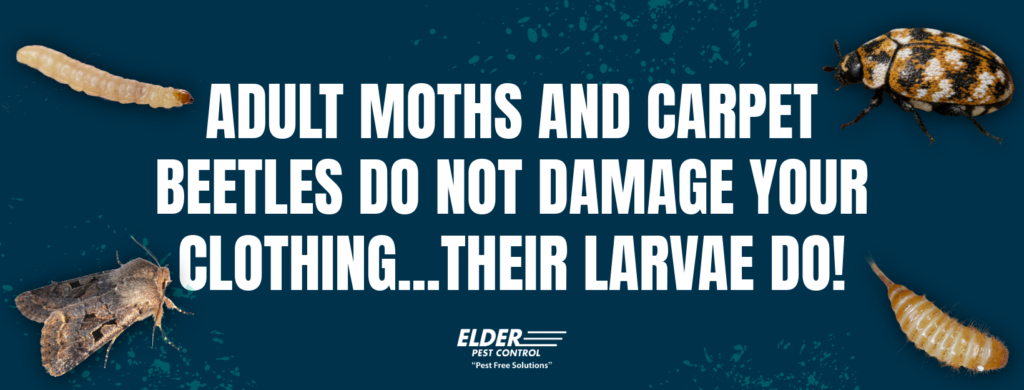
Contrary to popular belief, adult moths and carpet beetles are not the insects that damage your clothing. The damage is actually caused by their larvae.
Both moth larvae and carpet beetle larvae feed on natural animal-based fibers that contain keratin, a protein found in materials such as:
- Wool
- Cashmere
- Fur
- Silk
- Feathers
- Felt
- Leather
They may also feed on fabrics that contain food stains, body oils, sweat residue, or pet hair, even if the material itself is synthetic.
Once larvae begin feeding, they can create holes, thinning areas, and permanent damage to clothing and household textiles.
Signs You May Have Clothes Moths or Carpet Beetles
Early detection is important because infestations often remain hidden for months before damage becomes noticeable.
Common warning signs include:
Holes in Clothing
Small, irregular holes in sweaters, coats, scarves, blankets, and other stored fabrics are often the first indication of an infestation.
Shed Larval Skins
Both moth and carpet beetle larvae shed their skins as they grow. These empty casings are commonly found in closets, drawers, storage containers, and along baseboards.
Adult Insects
You may notice small tan moths flying around closets or rooms where fabrics are stored. Carpet beetles are typically small, oval-shaped beetles that are often found near windows and light sources.
Damage to Rugs and Upholstery
Infestations are not limited to clothing. Area rugs, upholstered furniture, curtains, and decorative fabrics can also become feeding sites.
How to Protect Your Clothing from Moths and Beetles
Even if you don’t currently have an insect problem, you might in the future, so it is best practice to follow some tips for protecting your garments.
Store Clothing Properly
One of the most effective ways to prevent damage is proper storage and prep before storage.
Wash or Dry Clean Garments
Larvae are attracted to body oils, sweat, food residue, and other organic materials left on clothing. Even garments that appear clean may contain enough residue to attract pests.
Always wash or dry clean clothing before placing it into long-term storage.
Use Airtight Containers
Plastic storage bins with secure-fitting lids provide better protection than cardboard boxes or loosely sealed bags.
Vacuum-sealed storage bags can provide an additional layer of protection for seasonal clothing and bedding.
Avoid Overcrowded Closets
Closets packed tightly with clothing create dark, undisturbed environments where pests can thrive. Allowing airflow and periodically moving stored items can help discourage infestations.
Keep Closets and Storage Areas Clean
Moths and carpet beetles often thrive in areas that are rarely disturbed.
Regularly cleaning storage areas can significantly reduce the risk of infestation.
Focus on:
- Vacuuming closet floors
- Cleaning shelves and corners
- Removing dust buildup
- Eliminating lint accumulations
- Cleaning under furniture
- Removing pet hair
Pay particular attention to closets that store wool sweaters, winter coats, blankets, and other natural-fiber items.
Protect Valuable Natural Fibers
Certain materials are particularly attractive to fabric pests.
Items that deserve extra attention include:
- Wool suits
- Cashmere sweaters
- Fur coats
- Handmade quilts
- Oriental rugs
- Antique textiles
- Wool blankets
Inspect these items periodically throughout the year, especially if they are stored for extended periods.
Reduce Attractants Around the Home
While clothing is often the most noticeable target, moths and carpet beetles can survive on a variety of organic materials.
To reduce attractants:
- Remove dead insects from window sills
- Clean pet bedding regularly
- Vacuum upholstered furniture
- Remove bird nests near the home when appropriate
- Store pet food properly
- Address rodent problems promptly
These hidden food sources can allow populations to grow before they spread to clothing and fabrics.
Conduct Seasonal Inspections
Many homeowners do not discover fabric damage until the start of a new season when they retrieve stored clothing.
A simple seasonal inspection can help catch problems early.
Check for:
- Holes in fabrics
- Larvae or shed skins
- Adult insects
- Damage to rugs and upholstery
- Signs of activity in closets and storage containers
The sooner an infestation is identified, the easier it is to control.
When to Call a Pest Control Professional
If you continue finding damaged clothing despite cleaning and preventative measures, there may be an active infestation hidden within your home.
Professional pest control can help identify the source of the problem, determine whether moths, carpet beetles, or both are present, and implement targeted treatments to eliminate the infestation.
Because these pests often hide in difficult-to-reach areas such as wall voids, attics, storage spaces, and beneath furniture, professional inspections can uncover problems that homeowners may overlook.
Protecting Homes in New Jersey from Clothes Moths and Carpet Beetles
Moths and carpet beetles may be small, but they can cause significant damage to clothing, rugs, furniture, and other valuable belongings.
If you’ve discovered holes in your clothing or suspect a fabric pest infestation, ELDER Pest Control can help. For more than 30 years, we’ve helped New Jersey homeowners identify and eliminate moths, carpet beetles, and other household pests before they cause further damage.
Contact us today for an inspection and be pest-free this year!