
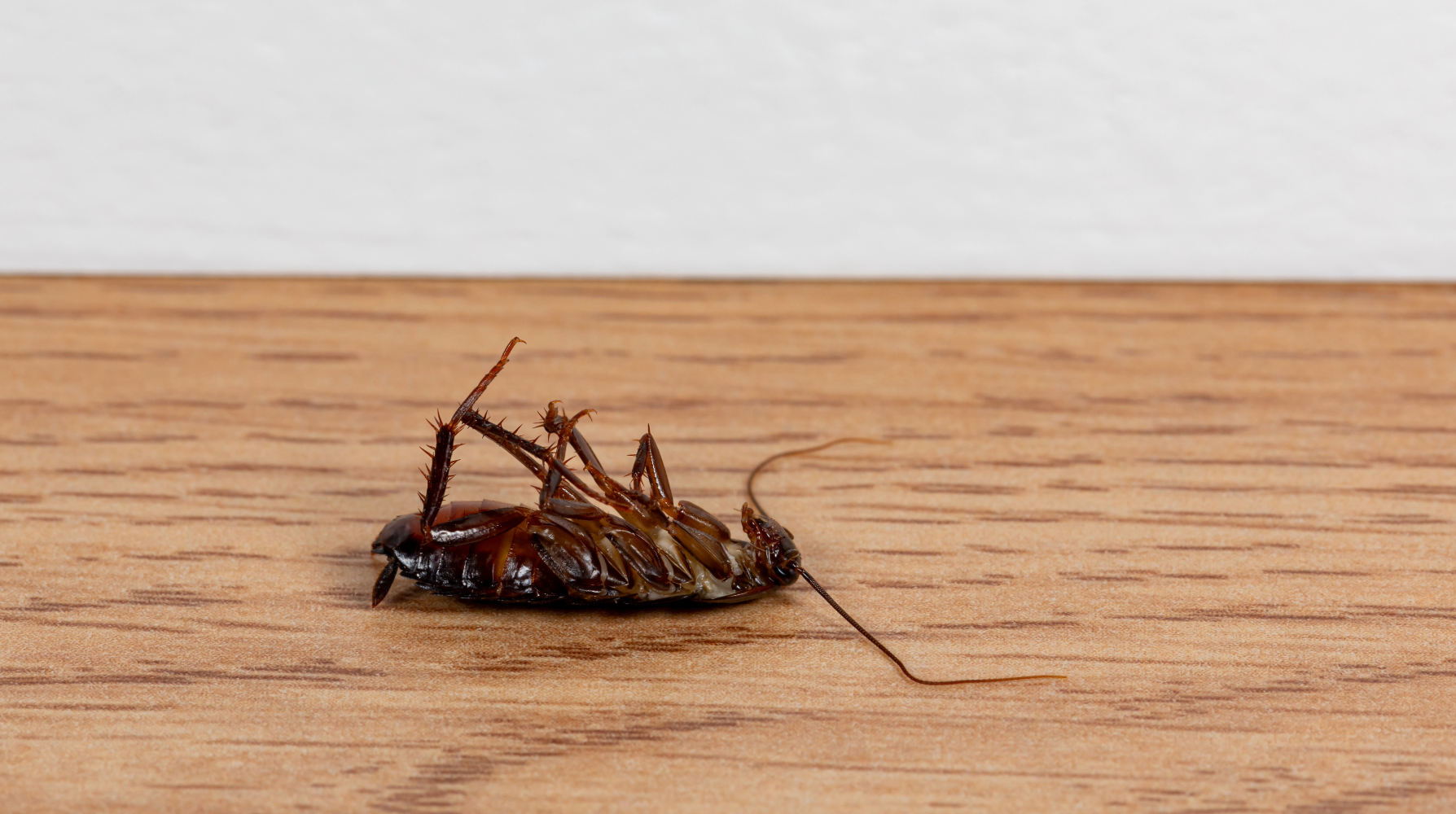
Few pests make homeowners as uncomfortable as cockroaches. Besides being unpleasant to see, cockroaches can contaminate food, trigger allergies, and quickly become a much bigger problem if they’re allowed to establish themselves indoors. Understanding how cockroaches get inside and what attracts them is the first step toward preventing an infestation.
How Cockroaches Get Inside
Curious why all of sudden you are seeing cockroaches scurry under your fridge or behind a toilet, even though you keep your house clean? There are many ways cockroaches can enter your home or business, and they might not have anything to do with you or the cleanliness of your space.
Through Small Cracks and Gaps
Cockroaches don’t need much space to get inside. Many species can squeeze through openings as small as 1/16 of an inch. Cracks in the foundation, gaps around windows and doors, and openings where utility lines enter your home all provide easy access.
Sealing these entry points with caulk or weatherstripping can significantly reduce the chances of cockroaches or other pests finding their way indoors.
Under Doors and Through Garage Doors
A poorly sealed exterior door is one of the most common entry points for cockroaches. Worn door sweeps, damaged weatherstripping, and gaps beneath garage doors create an open invitation for pests.
Replacing damaged seals and ensuring doors close tightly helps keep cockroaches outside where they belong.
Through Plumbing and Drains
Cockroaches are attracted to moisture, making plumbing systems an ideal travel route. They can enter through sewer lines, floor drains, sink drains, and pipe penetrations, especially in multi-unit buildings and commercial properties.
Regular drain maintenance and sealing gaps around plumbing pipes can reduce this risk.

Hitchhiking on Boxes, Deliveries, and Used Furniture
Not every cockroach walks in from outside. They often hitch a ride inside cardboard boxes, grocery bags, moving boxes, used appliances, and secondhand furniture.
Always inspect used items carefully before bringing them indoors, and avoid storing cardboard boxes for long periods in garages or basements.
Through Roof Vents and Attics
Some cockroach species are excellent climbers and can enter through attic vents, damaged soffits, or openings near the roofline. Once inside the attic, they may spread throughout the rest of the home.
Keeping exterior vents properly screened and repairing damaged roofing materials helps eliminate these access points.
Neighboring Units in Apartments and Businesses
In apartments, condominiums, restaurants, and commercial buildings, cockroaches can easily move between connected units through shared walls, plumbing lines, and electrical conduits.
Even if your own unit is clean, an infestation nearby can quickly become your problem without coordinated pest control efforts.
What Attracts Cockroaches
Now that we understand how roaches get inside, what makes them want to come inside in the first place, and where do they like to hide out?
Food Crumbs and Spills
Cockroaches are opportunistic feeders and don’t need much to survive. Crumbs under appliances, grease buildup on stovetops, pet food left overnight, and sticky spills all provide an easy meal.
Regular sweeping, vacuuming, and wiping down kitchen surfaces can remove many of these food sources.
Moisture and Water Leaks
Water is just as important to cockroaches as food. Leaky pipes, dripping faucets, standing water under sinks, and damp basements create ideal conditions for them to survive and reproduce.
Fixing plumbing leaks and reducing excess humidity can make your property much less attractive.
Clutter and Hiding Places
Cockroaches prefer dark, protected spaces where they can hide during the day. Cluttered storage areas, stacks of cardboard boxes, paper piles, and crowded cabinets provide excellent shelter.
Keeping storage areas organized and reducing unnecessary clutter limits their hiding spots.
Trash and Recycling
Overflowing garbage cans, food residue in recycling bins, and dumpsters located close to buildings can all attract cockroaches.
Use trash cans with tight-fitting lids, empty them regularly, and rinse recyclable containers before placing them in the bin.
Pet Food Left Out Overnight
Pet food provides a reliable food source for cockroaches, especially overnight when these pests are most active. Water bowls also provide much-needed moisture.
Feeding pets during scheduled meal times and picking up leftover food before bedtime can help discourage cockroaches.
Warm, Humid Environments
Cockroaches thrive in warm, humid areas such as kitchens, laundry rooms, utility rooms, crawl spaces, and bathrooms. High humidity combined with available food and water creates ideal breeding conditions.
Using dehumidifiers in damp areas and maintaining proper ventilation can make these spaces less inviting.
Cockroach FAQs
Still looking for more information on those pesky cockroaches? Here are some of the most common questions we get about roaches after 30 years in the pest control industry.
What are cockroach nymphs?
Cockroach nymphs are young cockroaches that hatch from egg cases called oothecae. They resemble smaller versions of adult cockroaches but do not have fully developed wings. Seeing cockroach nymphs indoors often indicates that a breeding population is already established nearby, and needs immediate attention.
Do cockroaches only infest dirty homes?
No. While clutter, food, and moisture certainly make a property more attractive, cockroaches can infest clean homes as well. They may enter while searching for water, shelter, or warmth, especially during extreme weather.
Are cockroaches dangerous?
Cockroaches can spread bacteria by contaminating food preparation surfaces and may trigger asthma and allergy symptoms, particularly in children and individuals with respiratory conditions. Their shed skins, saliva, and droppings are common indoor allergens.
How quickly do cockroaches multiply?
Cockroaches reproduce rapidly. Depending on the species, a single female can produce dozens of offspring from each egg case and multiple egg cases throughout her lifetime. Small infestations can become significant problems if left untreated.
Can I get rid of cockroaches myself?
Small problems may improve with sanitation and over-the-counter products, but larger infestations often require professional treatment. Cockroaches are excellent at hiding, and DIY treatments frequently fail to eliminate nests hidden behind walls, under appliances, and inside voids.
Professional Cockroach Treatment in South Jersey
If you’ve seen cockroaches, cockroach nymphs, or signs of an infestation around your home or business, it’s important to act quickly. The longer cockroaches remain indoors, the more difficult they become to eliminate.
At ELDER Pest Control, our experienced technicians identify where cockroaches are entering, locate nesting areas, and provide targeted treatments designed to eliminate the infestation and help prevent future problems. If you’re concerned about cockroaches in your South Jersey home or business, contact ELDER Pest Control today to schedule an inspection and reclaim your space.