
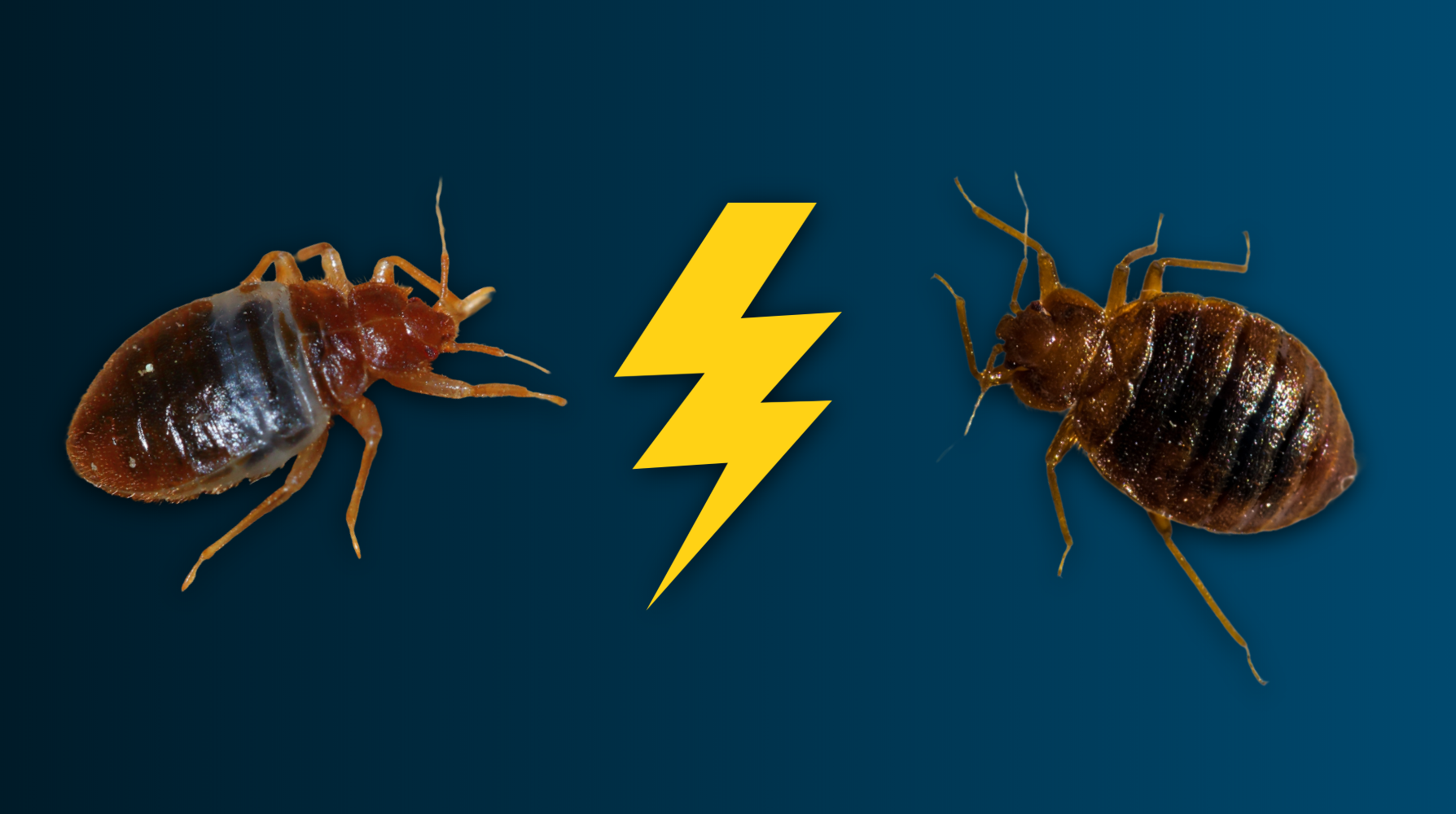
Finding small biting bugs in your home can immediately make you think of bed bugs. However, there is another pest that looks almost identical and is often mistaken for them: bat bugs.
Understanding the difference between bat bugs and bed bugs is important because the source of the infestation and the treatment process can be very different.
In this guide, we will explain the differences between bat bugs and bed bugs, how to identify them, where they hide, and what to do if you find them in your home.
What Are Bat Bugs?
Bat bugs are close relatives of bed bugs that primarily feed on bats. They are parasitic insects commonly found in attics, chimneys, wall voids, and other areas where bats roost inside homes or buildings.
When bats leave or are removed from a structure, bat bugs may begin searching for another food source. Unfortunately, that can sometimes mean humans.
Bat bugs are not as common as bed bugs, but they are frequently misidentified because the two insects look nearly identical to the naked eye.
What Are Bed Bugs?
Bed bugs are blood-feeding insects that prefer human hosts and thrive in indoor environments. Unlike bat bugs, bed bugs are specifically adapted to living around people and can reproduce quickly inside homes.
According to the EPA, bed bugs are one of the most difficult household pests to control because they hide well and can survive for months without feeding.
Bed bugs are most commonly found in mattresses, bed frames, furniture, and cracks near sleeping areas.
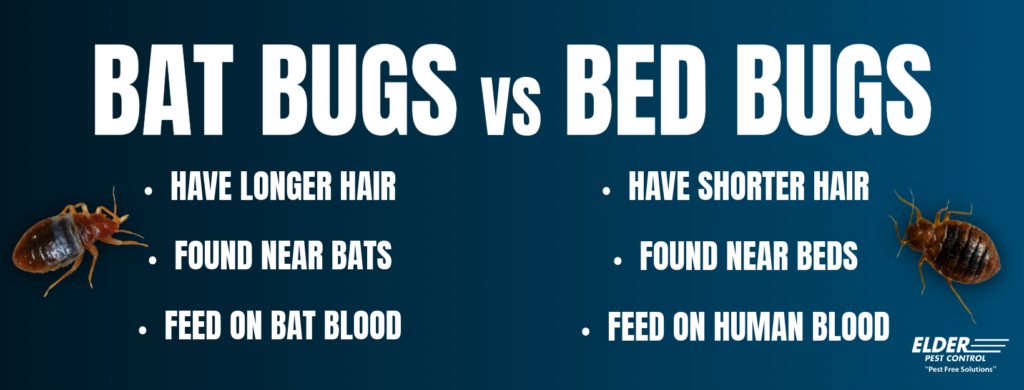
Bat Bug vs Bed Bug Comparison
While these pests are commonly confused with one another, there are several important differences that can help homeowners identify what they are dealing with.
Appearance
At first glance, bat bugs and bed bugs look almost exactly the same. Both are:
- Flat and oval-shaped
- Reddish-brown in color
- Roughly the size of an apple seed
- Wingless insects
The biggest visual difference is the hair on their bodies.
Bat Bugs Have Longer Hair
Bat bugs have noticeably longer hairs around the thorax area near the head. According to entomology experts at the University of Kentucky, these hairs extend farther than the width of the bug’s eye when viewed under magnification.
Bed bugs also have hairs, but they are much shorter and less noticeable.
Because this difference is difficult to spot without magnification, professional identification is often necessary.
Habitat Differences
One of the easiest ways to narrow down the type of pest is by looking at where the bugs are being found inside the home.
Common Bat Bug Locations
Bat bugs are usually found near areas where bats have nested, including:
- Attics
- Chimneys
- Behind walls
- Around vents
- Near rooflines
If your home has had a bat issue recently, there is a strong chance the insects could be bat bugs rather than bed bugs.
Common Bed Bug Locations
Bed bugs are most commonly found close to areas where humans sleep or rest, including:
- Mattresses
- Box springs
- Behind headboards
- Upholstered furniture
- Baseboards near beds
- Luggage or clothing
Bed bugs tend to stay close to human sleeping spaces because they rely heavily on human blood meals.
Do Bat Bugs Bite Humans?
Yes, bat bugs can bite humans if their bat hosts are unavailable.
Their bites may look similar to bed bug bites and can cause itching, redness, and irritation. However, bat bugs cannot reproduce effectively on human blood alone. They still prefer bats as their primary host.
Bed bugs, on the other hand, thrive on human blood and can quickly establish large infestations inside homes if left untreated.
Signs You May Have Bat Bugs
Bat bugs are strongly connected to bat activity, so the surrounding conditions in your home often provide important clues.
You Recently Had Bats in the Home
One of the biggest warning signs is a current or previous bat infestation. If bats were living in your attic or walls, bat bugs may remain after the bats are gone.
Bugs Are Found Away From Beds
If you are finding bugs near ceilings, attic access points, chimneys, or wall voids instead of mattresses and furniture, bat bugs are more likely.
Activity Increases After Bat Removal
Bat bugs often become more noticeable after bats are excluded from a structure because the insects begin searching for a new food source.
How to Get Rid of Bat Bugs
Proper treatment starts with correctly identifying the pest and addressing the source of the infestation.
Remove the Bat Problem First
The most important step is identifying and removing the bats safely and legally. Without removing the host animals, the bug problem will likely continue.
Professional Inspection
Because bat bugs and bed bugs look so similar, professional pest identification is extremely important. Treating for bed bugs when the real issue is bat bugs can waste time and money.
Targeted Pest Treatment
After the bats are removed, treatment may include:
- Residual insecticide applications
- Dust treatments in wall voids and attics
- Sealing entry points
- Cleaning and vacuuming affected areas
A complete approach is usually needed to fully eliminate the infestation.
Call ELDER Pest Control for Bat Bug Identification and Treatment
If you are noticing unexplained bites or small reddish-brown bugs in your home, a professional inspection can help determine exactly what pest you are dealing with. Whether you have bat bugs or bed bugs, ELDER Pest Control is here to help solve your pest problem.
Contact ELDER Pest Control today to schedule an inspection and get expert help with bat bugs, bed bugs, and other pest problems.