
We have heard from several people and nurseries that there are plants that act as natural mosquito deterrents in your yard. We have even seen some plants labelled as “mosquito-repelling plants,” so we wanted to do some research, as well as share our experiences with you!
What Plants Have Been Found to Prevent Mosquitoes?
Obviously not every plant repels mosquitoes, so here are the most common we have heard of as actually preventing mosquitoes.
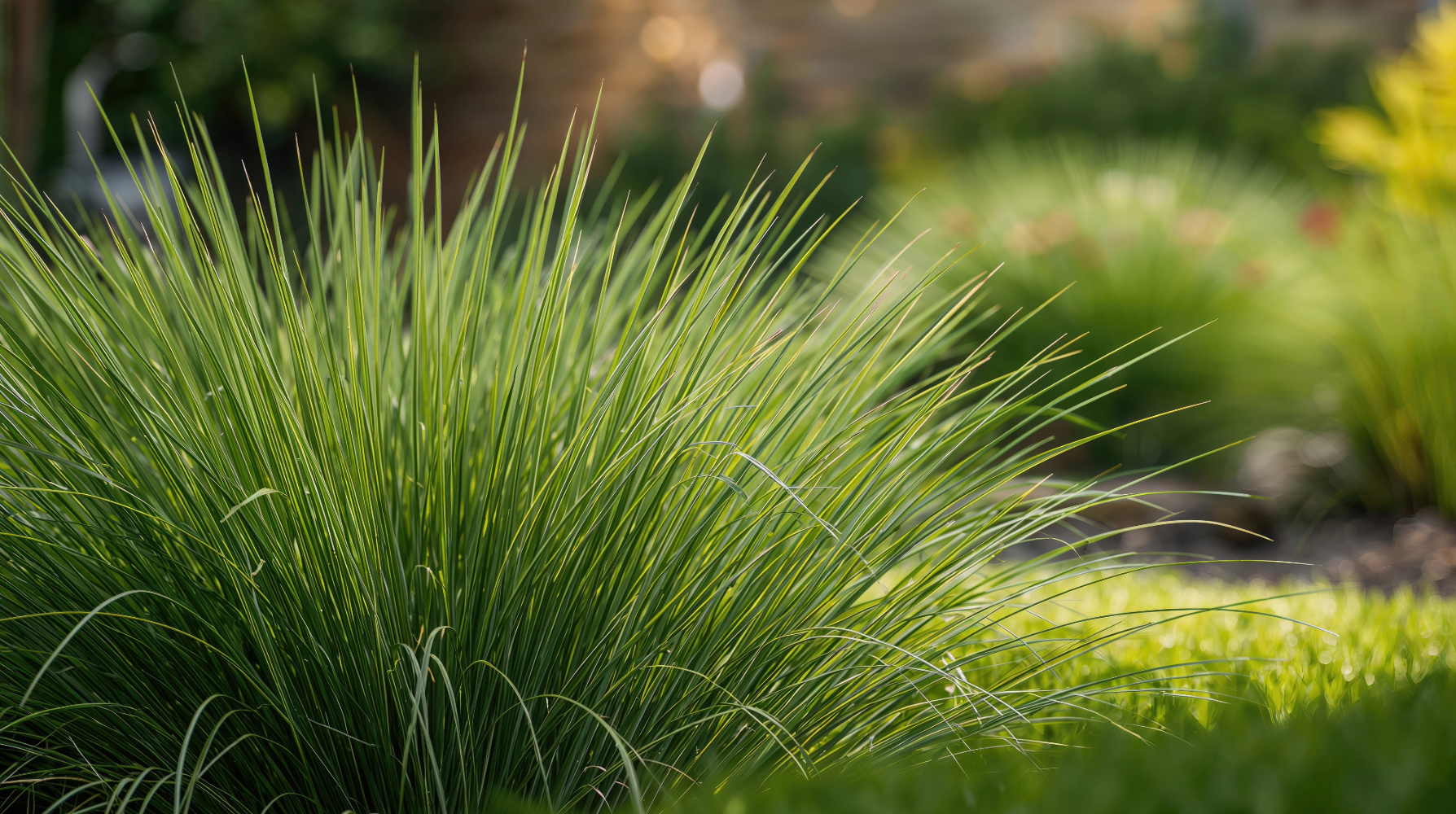
Citronella Grass
Citronella is probably the most well-known plant associated with mosquito control. It contains oils commonly used in mosquito repellents, but research shows the plant itself has very limited impact unless the oils are extracted and concentrated.
Lavender
Lavender is popular because of its strong fragrance and attractive flowers. Some studies suggest lavender oil may help repel mosquitoes in concentrated forms, but simply planting lavender in a flower bed is unlikely to stop mosquitoes from entering your yard.
Marigolds
Marigolds contain compounds like pyrethrum, which is used in some insect repellents and insecticides. They can help reduce certain garden pests, but there is little evidence that a few marigold plants alone will noticeably reduce mosquito populations outdoors.
Basil
Basil has been studied for its essential oils and may offer mild mosquito-repelling properties when crushed or used in oils. It is still a great herb to grow for cooking, but it should not be relied on as a primary mosquito control method.
Mint
Mint plants produce a strong scent that some insects dislike. Peppermint oil has shown some mosquito-repelling effects in laboratory settings, but again, the actual plant growing in your yard does not provide widespread protection.
Garlic
Garlic sprayed directly on your skin might help with preventing mosquitoes from landing on you for a short time, but is not going to be effective being planted in your garden. Even spraying your entire yard with a garlic spray isn’t effective.
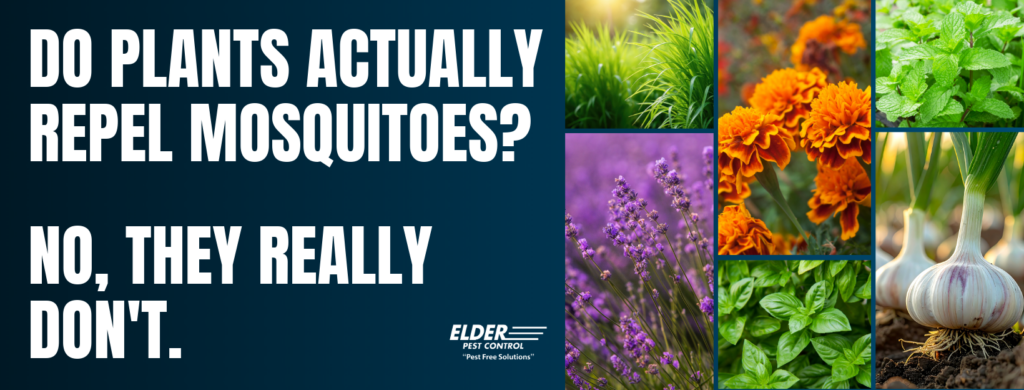
Do Plants Actually Repel Mosquitoes?
No, they really don’t. Especially if you are trying to protect your entire property from mosquitoes. But don’t just take our word for it!
According to researchers from organizations like the National Institutes of Health and university extension programs, most mosquito-repelling plants only show effectiveness when their oils are extracted, concentrated, and directly applied. Simply having these plants in your landscaping generally does not create a strong enough effect to repel mosquitoes consistently.
Liah Continentino, environmental horticulture agent with UF/IFAS Extension Monroe County says “Unless you’re extracting their oils and applying them like a spray, they’re not doing much just sitting in your garden.”
Even many homeowners online agree. Reddit users in gardening and pest control communities frequently report that they still experience mosquito problems despite planting citronella, lavender, or mint around patios and decks. One user in r/gardening wrote, “I planted citronella and marigolds everywhere and the mosquitoes still ate me alive.” Another commenter in r/homeowners mentioned that standing water removal and professional mosquito treatments made a much bigger difference than plants ever did.
The reality is that mosquitoes are highly adaptable and are mainly attracted to carbon dioxide, body heat, and standing water. A few scented plants simply cannot compete with those strong attractants.
Proven Mosquito Control
While mosquito-repelling plants can still make a beautiful addition to your landscaping, they should not be considered a reliable solution for mosquito infestations. Professional mosquito treatments are far more effective at reducing mosquito populations around your home.If you want proven mosquito control that actually works and saves you time and money, contact ELDER Pest Control. Our team can help protect your yard so you can spend more time outside without constantly swatting mosquitoes.