
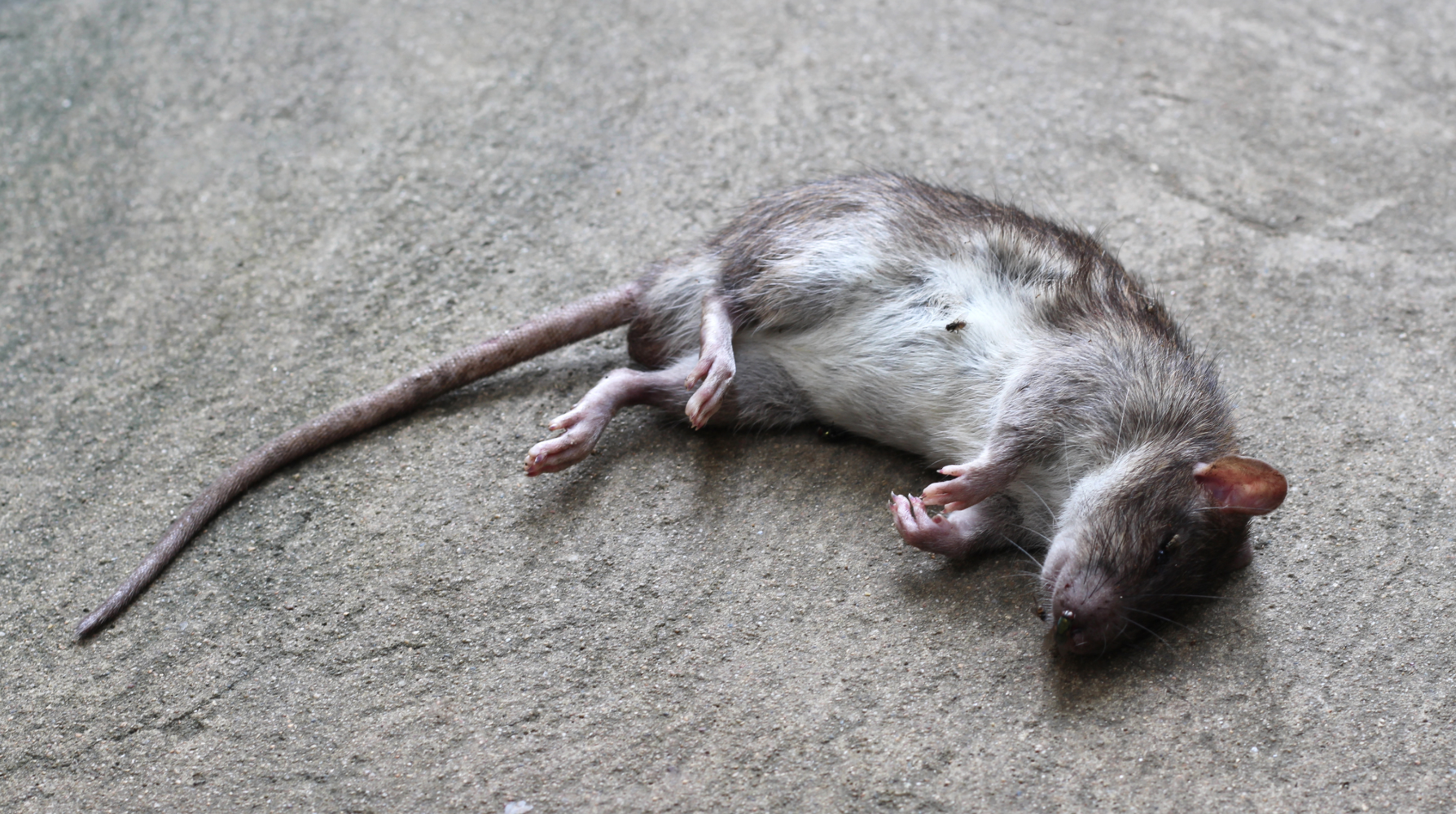
If it seems like you are seeing more rats around your neighborhood than you did a few years ago, you are not imagining it. Research published in 2025 found that rat numbers have increased significantly in cities around the world, and New Jersey is no different. So, why are there more rats all of a sudden?
Reasons For More Rat Sightings
The researchers linked rising rat activity to warmer temperatures, urbanization, growing human populations and the abundance of food and shelter. We also notice in our area that there is more waste left in touristy areas along the shore, and more homes left unattended in the winter creating ideal hideouts for mice, rats, and cockroaches to live unbothered for months at a time.
Warmer Temperatures
One of the biggest factors behind rising rat populations is warmer weather. Rats are more active when temperatures are mild, while cold weather limits how much time they spend outside foraging and reproducing.
Areas experiencing greater increases in temperature also tended to experience larger increases in rat numbers. Researchers estimated that warming temperatures accounted for more than 40% of the increase in rat reporting trends across the cities studied.
Warmer winters can give rats a longer period to search for food, remain active above ground and reproduce. That extra time matters because a female rat can produce multiple litters in a year, with each litter potentially containing several young.
In New Jersey, 15 of the past 20 warmest years have occurred since 2000. No wonder more rats are thriving here!
More People Means More Food
Rats have adapted extremely well to living around people because humans provide a steady supply of food. Garbage, restaurant waste, pet food, birdseed, compost and improperly stored food can all become reliable food sources.
The same study found that greater human population density was associated with larger increases in rat numbers. More people generally means more food waste and more buildings, roads, sewers and other structures that rats can use for shelter.
New Jersey continues to grow, and has surpassed 9 million people. Increasing at a rate of nearly 6% per year. There is also an increase in tourism along the Jersey Shore which brings additional people, food, and waste.
Increased Urbanization
As communities become more developed, rats gain access to more of the environments where they thrive.
Construction, roads, utility systems, vacant lots, dumpsters and buildings all create potential food sources or hiding places. Cities with greater levels of urbanization experienced larger increases in rat numbers.
Construction and roadwork can also temporarily disturb underground burrows. In New Jersey, officials in Nutley cited recent roadwork as one possible reason for an increase in rat activity reported by residents in 2024.
More Accessible Garbage
One of the simplest explanations for more rats is also one of the most important: easier access to food.
An overflowing trash can, an unsecured dumpster or a garbage bag left outside can provide enough food to support rats in an area. Once rats discover a reliable food source, they can establish nests nearby and repeatedly return to the same location.
Residents in Ocean City, NJ are complaining of increased rat activity, and are calling out local businesses for not doing enough to secure their trash with sightings of overflowing dumpsters and trashcans around these businesses.
Keeping garbage in tightly sealed containers and cleaning up food around outdoor areas can make a property much less attractive to rodents.
More Places to Hide and Nest
Rats do not need much space to establish themselves. They can nest in burrows, under decks, inside wall voids, beneath sheds, around debris piles and near other protected areas.
Norway rats, which are commonly found in buildings and sewers in the state, are strong burrowers and capable swimmers. Rats also tend to travel along protected routes rather than crossing wide-open spaces.
When neighborhoods have clutter, overgrown areas, construction materials or other forms of shelter near food and water, rats have more opportunities to establish themselves.
Rats Are Extremely Adaptable
Rats are remarkably good at adjusting to changes in their environment. They can live in sewers, crawl spaces, vacant buildings, commercial areas, parks and residential neighborhoods.
That adaptability is one reason rat control is rarely as simple as removing the rats that are visible. If food, water, shelter and entry points remain available, other rats can move into the same area.

Are There More Rats in New Jersey Now Than in The Past?
Yes. New Jersey has many of the conditions that allow rats to thrive, and populations to grow. The state has densely populated communities, extensive development, restaurants and businesses, older infrastructure, sewer systems and large residential areas that provide plenty of potential food and shelter.
There have also been recent reports of increased rat activity in communities throughout the state. Residents in both Nutley in the north and Ocean City in the south have reported noticeable increases in rat sightings. Officials and residents pointed to factors including improperly stored garbage and new construction as culprits.
That does not mean every New Jersey neighborhood has experienced the same population increase. However, the broader research showing rising rat activity in major cities, combined with reports from New Jersey communities, helps explain why more homeowners may be noticing rats around their properties.
Influx of Rat Activity at the Shore
South Jersey’s shore communities are unfortunately prime rodent havens. Restaurants, seasonal businesses, rental properties, dumpsters and increased tourism can create abundant food sources, while older buildings and utility penetrations can provide access to garages, crawl spaces and other protected areas.
With many seasonal rentals being left empty for months at a time, more businesses creating additional waste with no urgency to conceal it, and an overall increase in temperatures makes our coastal cities a great place for a rat to call home.
For shore homeowners and businesses, seeing a rat outside does not necessarily mean there is an infestation inside. However, repeated sightings, droppings, gnaw marks or noises in walls and crawl spaces are signs that it is worth investigating the property.
Rodent Control in South Jersey
If you are seeing more rats around your South Jersey home or business, the best solution is to address the conditions attracting them rather than simply removing the rats you see.
ELDER Pest Control provides professional rodent control throughout South Jersey. Our team can identify potential entry points, locate areas of rodent activity and develop a treatment plan designed to eliminate the current problem and reduce the chances of rats returning.
If rats are becoming a regular sight around your property, contact ELDER Pest Control to schedule residential or commercial pest control.