
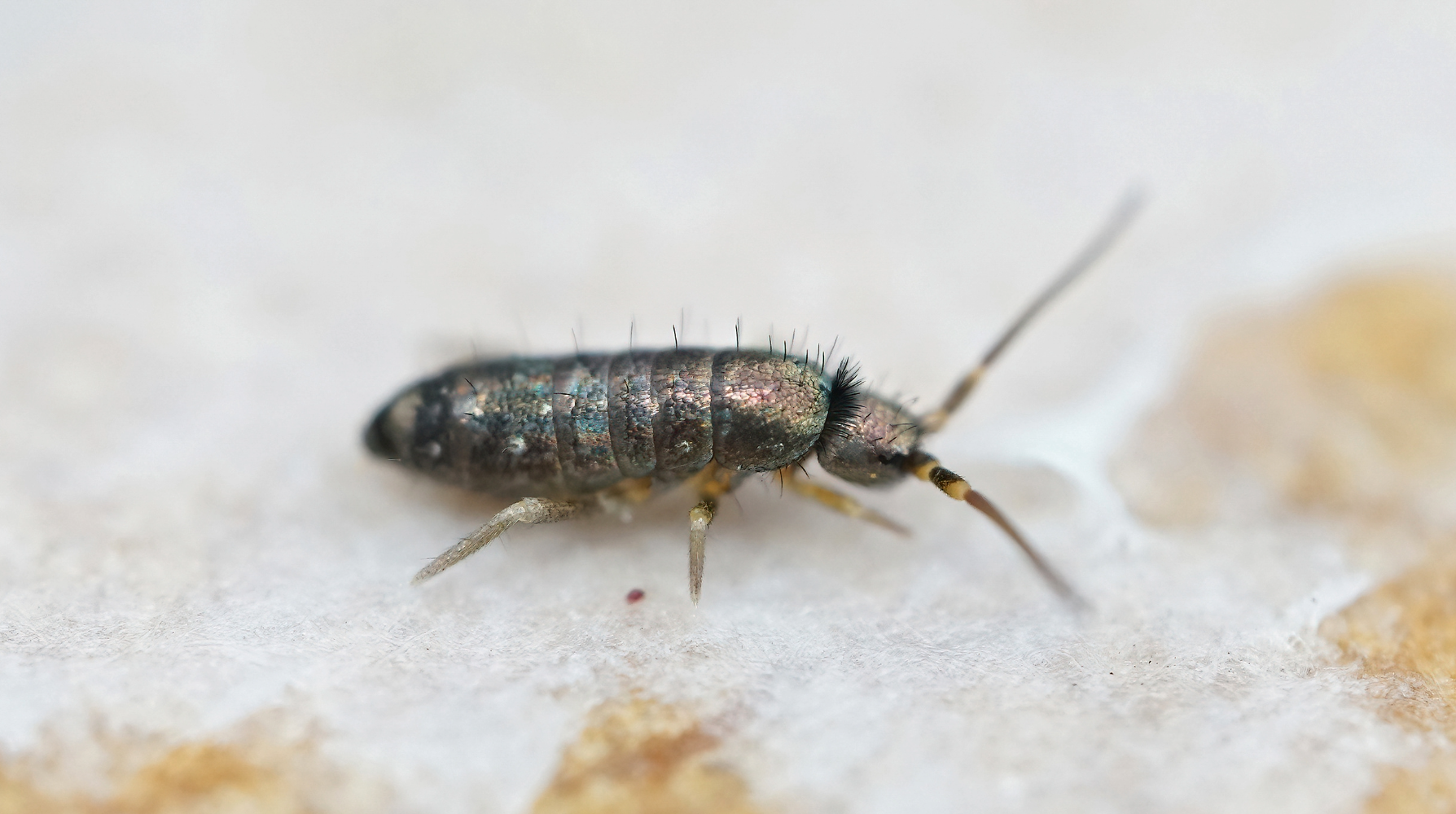
If you’ve spotted tiny black bugs jumping around your bathroom sink, tub, or floor, you most likely have springtails. These acrobatic little insects are a common household discovery that can leave homeowners puzzled and concerned. The good news is that identifying these pests and addressing the problem is more straightforward than you might think.
What are Springtails?
If you are noticing tiny jumping bugs around your sink, toilet, or shower, they are most likely springtails; small insects that typically measure between 1/16 to 1/8 of an inch long. They get their name from a spring-like appendage called a furcula that’s tucked under their abdomen, which they use to launch themselves into the air when disturbed. While they’re commonly black or dark gray, springtails can also appear white, brown, or even multicolored depending on the species.
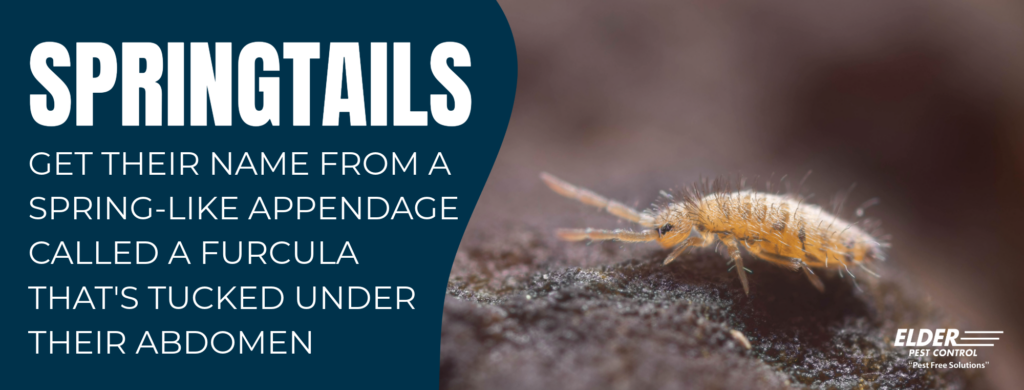
These insects have a distinctive appearance beyond their jumping ability. They have soft bodies, short antennae, and no wings, which means jumping is their primary method of escape from predators. You’ll often find them congregating in groups, particularly around moist areas where they feed on mold, mildew, fungi, and decaying organic matter.
Why are Springtails Often Found in the Bathroom?
Bathrooms provide the perfect environment for springtails because they offer everything these moisture-loving insects need to thrive. High humidity from showers and baths, combined with poor ventilation, creates an ideal breeding ground. Springtails are attracted to damp conditions and cannot survive in dry environments, which is why your bathroom becomes their preferred habitat.
These pests often enter homes through tiny cracks, gaps around pipes, or poorly sealed windows and doors. Once inside, they seek out the most humid areas of your home, which typically means bathrooms, basements, and laundry rooms. Leaky pipes, condensation, or water damage behind walls and under floors can create hidden moisture problems that attract and sustain springtail populations.
Bathrooms also tend to accumulate the organic matter springtails feed on. Mold and mildew growing on tile grout, shower curtains, or in damp corners provide a steady food source. Even small amounts of organic debris in drains can support a springtail infestation.
Are Springtails Dangerous?
The reassuring news is that springtails are completely harmless to humans and pets. They don’t bite, sting, or transmit diseases, making them more of a nuisance than a health threat. Unlike many other household pests, springtails won’t damage your home’s structure, contaminate food, or pose any direct danger to your family.
However, their presence does indicate an underlying moisture problem that could lead to more serious issues. Excess moisture can cause mold growth, wood rot, and structural damage over time. Additionally, the conditions that attract springtails may also invite other pests like silverfish, cockroaches, or even termites, which can pose more significant problems.
How to Eliminate Springtails Yourself
Now that you have identified your pest issue as springtails, it’s probably time we get rid of them. Treatment for springtails can be simple, depending on the significance of your moisture issue.
Start by simply running exhaust fans during and after showers, and consider leaving the bathroom door open when possible to reduce humidity. Fix any leaky faucets, pipes, or toilet seals immediately, as even small drips can create the damp conditions springtails need.
Clean your bathroom thoroughly and regularly to remove mold, mildew, and organic debris. Pay special attention to tile grout, corners, and areas around fixtures where moisture tends to accumulate. Use a dehumidifier if your bathroom remains persistently humid, and ensure that caulking around tubs and showers is intact and properly sealed.
For immediate reduction of springtail populations, vacuum them up and dispose of the bag outside. However, you could have a larger infestation if they continue to return even after taking the steps above.
Professional Pest Prevention from ELDER Pest Control
If you are experiencing a continued springtail presence even after you have removed the moisture in your bathroom, or you are seeing springtails in many different areas around your home, it’s probably time to call a professional to inspect your home.
ELDER Pest Control is New Jersey’s trusted expert for all things pest control, and while springtails won’t hurt you or your family, the presence of mold or other pests could. If you have a home or business in South Jersey, contact us and we will ensure your property stays pest-free year-round!