
No one likes to see spiders, especially in their homes, and certainly not ones that might harm their family. Not all spiders are dangerous, but some species found in New Jersey can pose risks to people and pets. A few of these spiders have venomous bites that may cause serious health concerns. Knowing how to identify these spiders and understand their behavior can help homeowners stay safe.
Brown Recluse Spider
Although not native to New Jersey, brown recluse spiders are occasionally found in the state, often transported in boxes, furniture, or shipments from other regions. They are small, light to dark brown spiders with a distinct violin-shaped marking on their back.
Habitat in New Jersey
Brown recluse spiders prefer dark, undisturbed areas such as basements, attics, closets, or piles of wood. In New Jersey, they are rarely seen outdoors and are more likely to be found when they accidentally hitchhike into homes.
Why They Are Dangerous
The brown recluse is considered dangerous because of its venom, which can cause tissue damage at the bite site. While not every bite results in severe symptoms, some people may experience necrotic skin lesions, fever, or nausea. Medical attention is always recommended if a brown recluse bite is suspected.

Black Widow Spider
Black widow spiders are one of the most recognizable and venomous spiders in North America. They are shiny black with a distinctive red hourglass marking on the underside of their abdomen. Although sightings are not extremely common in New Jersey, they do live in the state and should be approached with caution.
Habitat in New Jersey
Black widows prefer dark, sheltered environments such as woodpiles, garages, sheds, and crawl spaces. They spin irregular, tangled webs close to the ground and are more often found in undisturbed areas around homes and yards.
Why They Are Dangerous
The venom of a black widow is neurotoxic, meaning it affects the nervous system. Bites can cause severe pain, muscle cramps, abdominal discomfort, and in rare cases, more serious complications. While fatalities are extremely rare, medical attention is strongly recommended if bitten.
Yellow Sac Spider
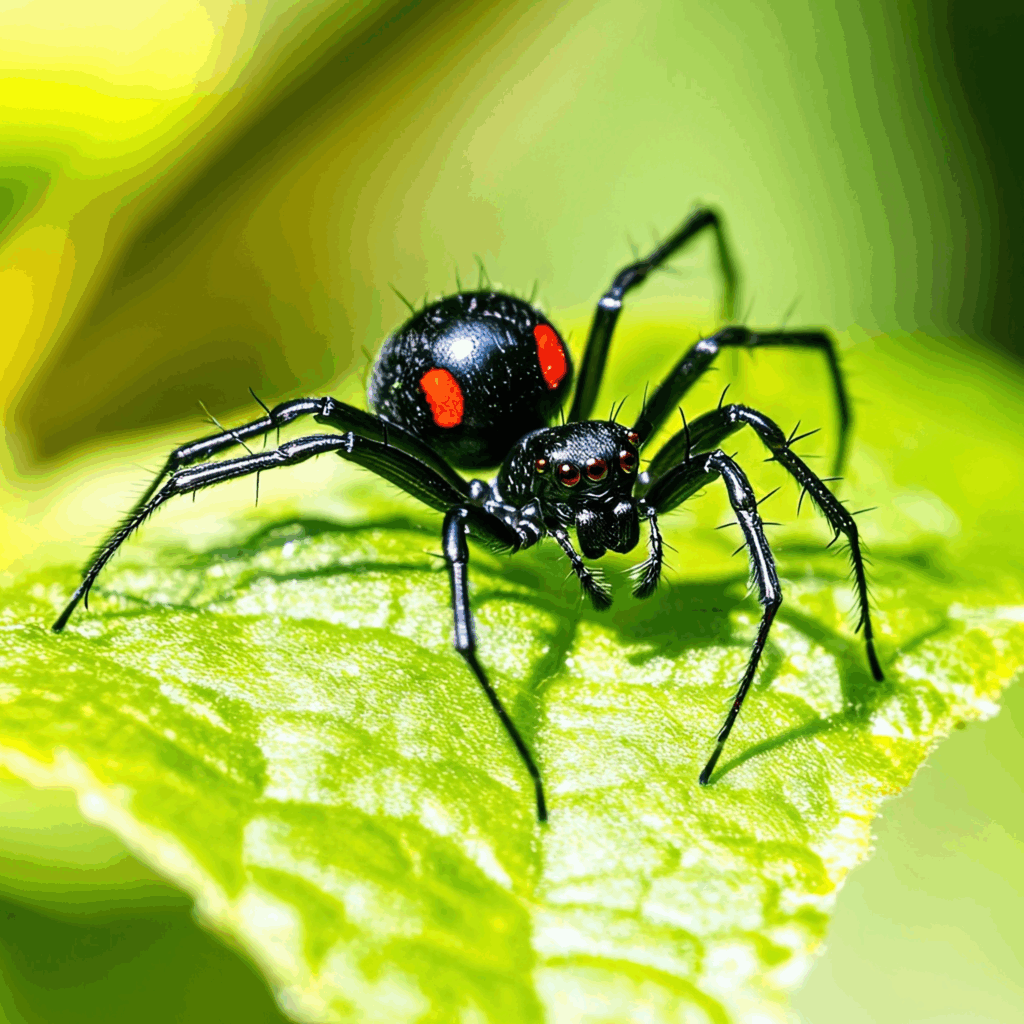
Yellow sac spiders are small, pale yellow or beige spiders that are common in homes across New Jersey. Unlike many other spiders, they actively hunt at night and do not rely solely on webs to catch prey.
Habitat in New Jersey
These spiders are often found indoors, hiding behind baseboards, in corners, or under furniture. Outdoors, they build small silk sacs under leaves, stones, or logs where they rest during the day.
Why They Are Dangerous
Though not considered deadly, yellow sac spiders are aggressive biters when disturbed. Their bites can be painful, often resulting in redness, swelling, or blistering of the skin. Some individuals may also experience allergic reactions, making them a health concern in homes.
Wolf Spider
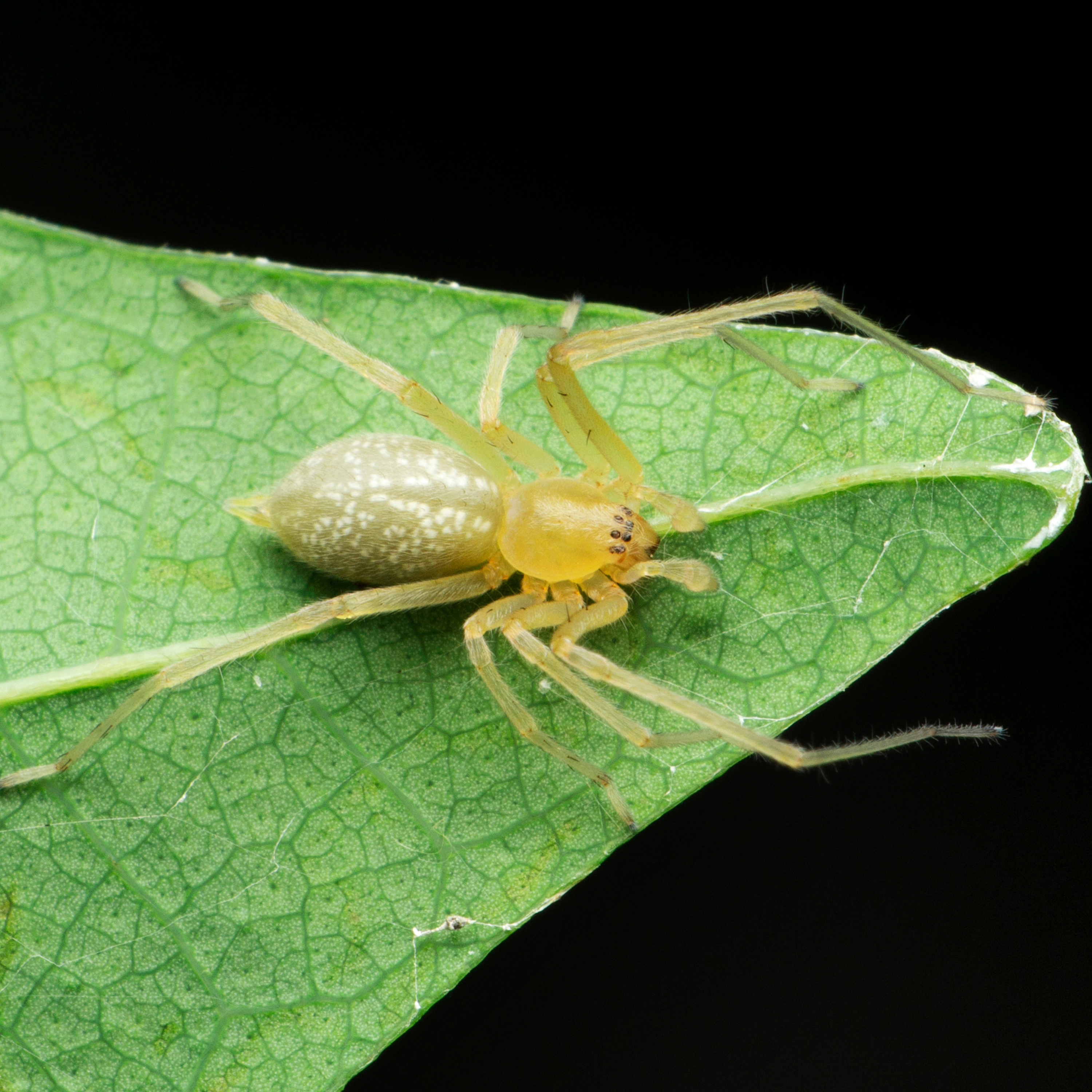
Wolf spiders are large, hairy spiders often mistaken for tarantulas due to their intimidating size and appearance. They are typically brown or gray with strong, long legs, and excellent eyesight for hunting.
Habitat in New Jersey
Wolf spiders are ground-dwelling hunters that do not spin webs to catch prey. In New Jersey, they are commonly found in fields, gardens, basements, and garages. They may enter homes while searching for food or shelter.
Why They Are Dangerous
While wolf spider bites are not considered medically significant, they can be painful and cause localized swelling or itching. Their size and quick movements often alarm homeowners, and bites may become infected if not properly treated.
Hacklemesh Weaver Spiders
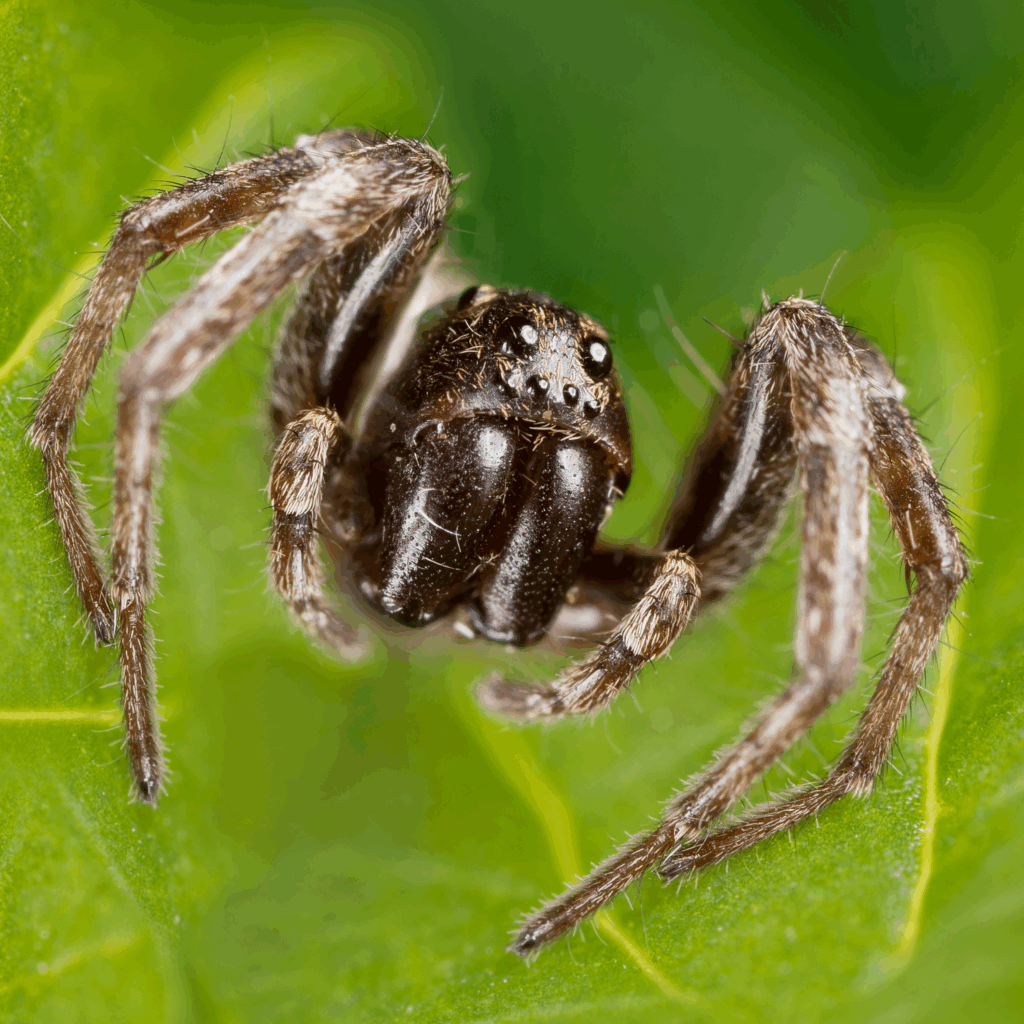
Hacklemesh weavers, also known as amoreena spiders, are less well-known but fairly common across New Jersey. They are dark-colored spiders that create dense, sheet-like webs in corners and shaded areas.
Habitat in New Jersey
These spiders prefer cool, moist environments such as basements, crawl spaces, and woodpiles. Outdoors, they may build webs in rock walls, under logs, or in dense vegetation.
Why They Are Dangerous
Hacklemesh weavers are venomous, and their bites can cause localized pain, redness, and swelling. While not nearly as dangerous as black widows or brown recluse spiders, their bites may still require medical attention if symptoms worsen or an allergic reaction occurs.

Protect Your New Jersey Home from Venomous Spiders
While many spiders in New Jersey are harmless, the species mentioned above can cause painful or even dangerous bites. Because these spiders often hide in hard-to-reach areas, it can be difficult for homeowners to identify and eliminate them on their own.
At ELDER Pest Control, we specialize in safe and effective spider control solutions for South Jersey homeowners. Our team can inspect your property, identify potential risks, and create a customized treatment plan to keep your home and family safe from dangerous spiders and other pests. Contact the ELDER Pest Control team today!